Welcome!
We study the evolution of biodiversity – past, present and future. Our studies range in scope from specific, isolated taxa to global pan-biomic patterns. We integrate large data sets and use a host of methods in phylogenetics, palaeobiology, biogeography, climatic modelling, bioinformatics and ecology. Our work has shed light on the evolution of several taxa and biomes but there is yet more to discover ...What we do
We aim to be one of the most creative, productive and exciting research groups in evolutionary biology and biogeography. We want to understand how biological diversity has evolved and how it will be affected by ongoing climate change and habitat destruction. The scope of our studies range from specific organism groups in isolated regions in the Neotropics to global cross-taxonomic patterns.
Who we are
We are a diverse research group with varied scientific backgrounds covering a range of academic and technical specialisms. We come from countries all over the globe and work on many different scientific questions and organism groups.
Despite our breadth of backgrounds and interests, we are united by a genuine interest in understanding how biological diversity has evolved, how it varies over space and time, and which factors and processes determine this variation.
The team
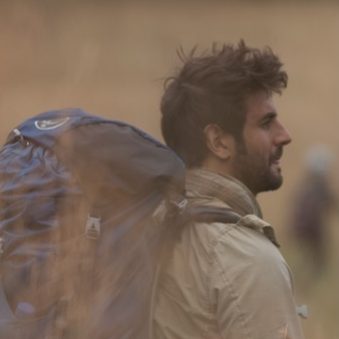
Farooq, Harith
https://antonelli-lab.net/wp-content/uploads/2018/04/kisspng-computer-science-google-scholar-doctor-of-philosop-google-5ad0945194b217.3615852815236188976091-e1534153462181.pngGoogle scholar
Harith Morgadinho Farooq is a former postdoctoral researcher in the department of Environmental Sciences at the University of Gothenburg, where he used species extinction risk and phylogenetic diversity to map and rank important areas for biodiversity conservation. He is also interested in sampling biases and herpetology, and is managing a project to try to re-find species not seen in decades and thought to be extinct (extinctorshy.org). He is now based at the University of Copenhagen.
Keywords: biogeography, conservation, amphibians, reptiles, ecology, biodiversity
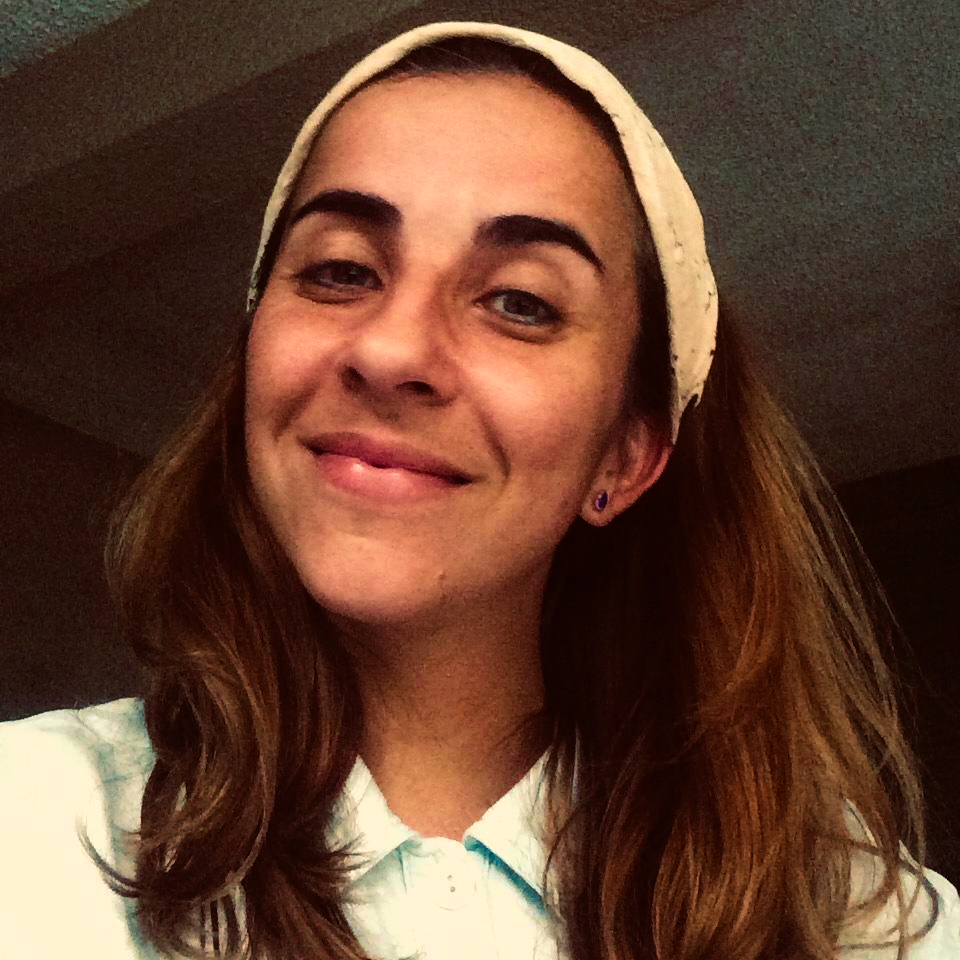
Bitencourt, Cássia
https://antonelli-lab.net/wp-content/uploads/2018/04/kisspng-computer-science-google-scholar-doctor-of-philosop-google-5ad0945194b217.3615852815236188976091-e1534153462181.pngGoogle Scholar
https://antonelli-lab.net/wp-content/uploads/2018/04/9f59698c-e156-4f33-9520-405cb7f4d9c6_researchgate_56f72ad6_490x330-e1534153921455.pngResearch Gate
https://antonelli-lab.net/wp-content/uploads/2018/04/Twitter_logo_2012.pngTwitter
Cássia is an evolutionary biogeographer, interested in eco-genomics and diversification of plant family Apocynaceae, and in the evolutionary history of the flora of outcrops in old landscapes of South America (e.g. Campo Rupestre and Canga). Currently, she is a Newton International Fellow (The Royal Society) at the Royal Botanic Gardens, Kew, working with Eimear Nic Lughadha, Felix Forest, Alex Antonelli and Justin Moat. By investigating biogeography and traits among different lineages of flowering plants, and improving the resolution of molecular phylogenies using NGS approaches, she aims to understand the evolution of flora in old landscapes. She will also compare species and areas at risk to provide information relevant to conservation management.
Keywords: Asclepiadoideae, outcrops, phylogenomics, biogeography, conservation.
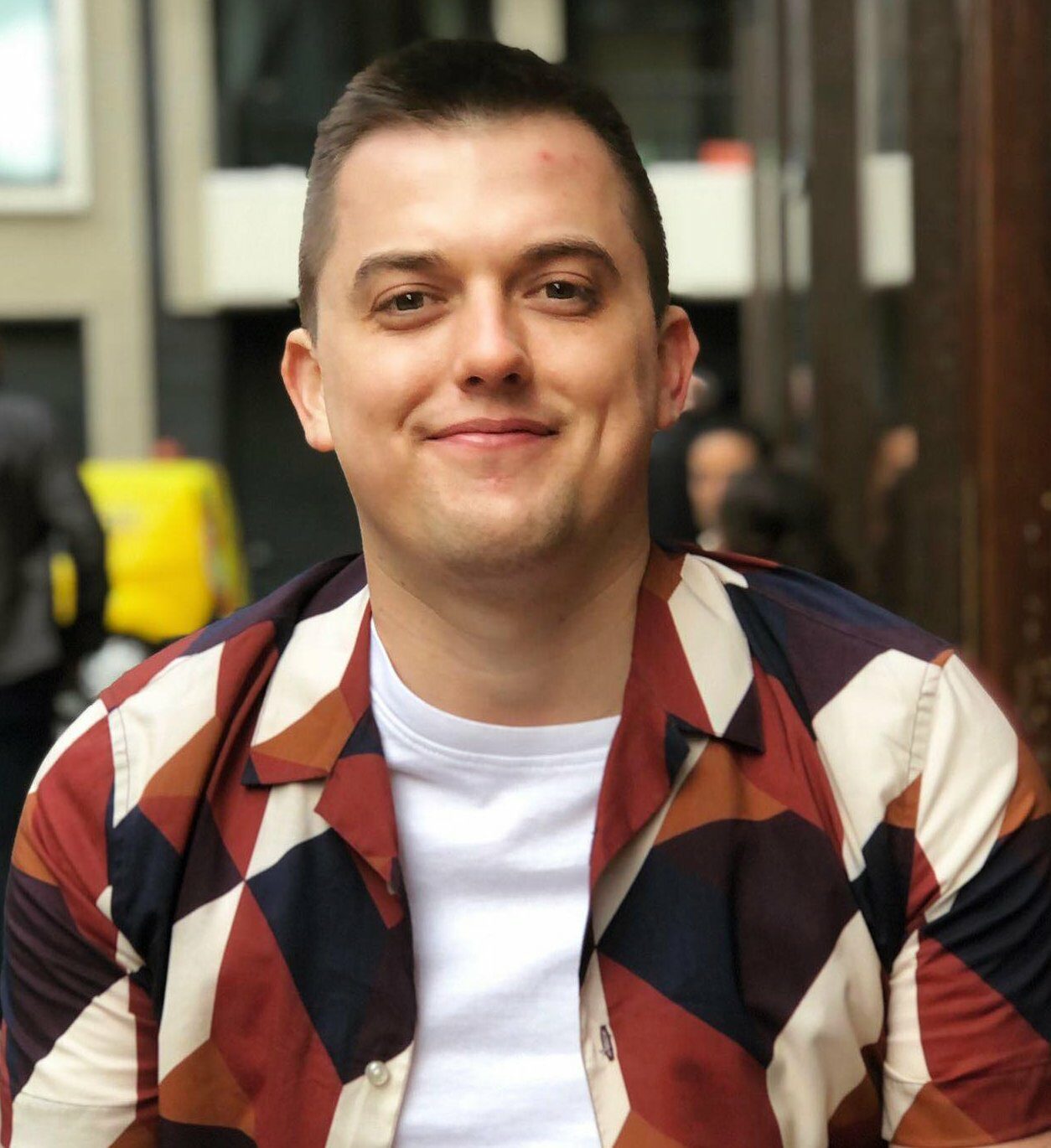
Deklerck, Victor
https://antonelli-lab.net/wp-content/uploads/2018/04/kisspng-computer-science-google-scholar-doctor-of-philosop-google-5ad0945194b217.3615852815236188976091-e1534153462181.pngGoogle Scholar
https://antonelli-lab.net/wp-content/uploads/2018/04/9f59698c-e156-4f33-9520-405cb7f4d9c6_researchgate_56f72ad6_490x330-e1534153921455.pngResearch Gate
Victor Dekleck is the Director of Science for the World Forest ID not-for-profit. He leads the World Forest ID science team on developing timber and forest risk commodity identification and tracing technologies, data integration, and machine learning efforts.
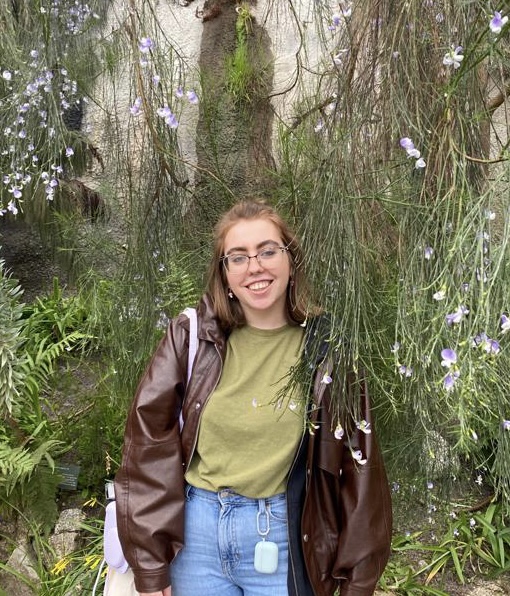
Fitzpatrick, Olivia
Olivia is a biodiversity genomics research assistant based at the Royal Botanic Gardens, Kew. Olivia has a background in conservation and population genetics and is currently working on a number of research projects within the group, including an orchid phylogenomics project with Oscar Pérez Escobar.
Perrigo, Allison
https://antonelli-lab.net/wp-content/uploads/2018/04/RBrQ-VBH_400x400-e1534154024934.jpgGothenburg Global Biodiversity Centre
https://antonelli-lab.net/wp-content/uploads/2018/04/9f59698c-e156-4f33-9520-405cb7f4d9c6_researchgate_56f72ad6_490x330-e1534153921455.pngResearchGate
https://antonelli-lab.net/wp-content/uploads/2018/04/kisspng-computer-science-google-scholar-doctor-of-philosop-google-5ad0945194b217.3615852815236188976091-e1534153462181.pngGoogle Scholar
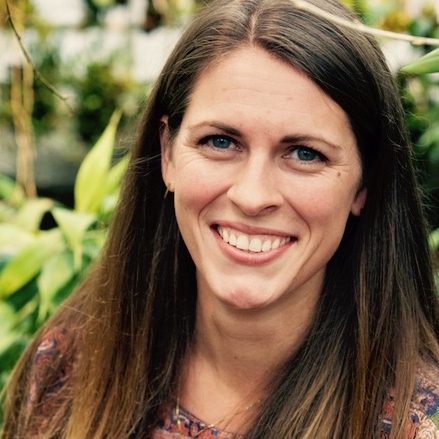
Allison is the Director of the Lund University Botanical Garden. She was previously the Project Manager for the Antonelli Lab (2017-2022) and the Director of the Gothenburg Global Biodiversity Centre (2020-2022). She studied ecology (BSc, 2008) at the University of British Columbia in Vancouver, Canada and protist systematics (PhD, 2013) at Uppsala University in Uppsala, Sweden. She then worked as a visiting researcher in tree fern systematics and biogeography, also at Uppsala University. In 2015 she started Forest Cat Editing, which works with academic editing and communication. While operating her company as a “digital nomad” from nearly two dozen countries, Allison further developed her interest in scientific communication and outreach. This eventually led her back to Gothenburg to work with the Antonelli Lab and to help start the new biodiversity centre. She co-edited the book Mountains, Climate and Biodiversity with Alexandre Antonelli and Carina Hoorn (Wiley, 2018), and has authored a number of scientific and popular science articles. Her main expertise is in scientific management and leadership, as well as communication and outreach on biodiversity and conservation. Allison is an avid traveler and adventurer, hiker, SCUBA diver, mushroom connoisseur, fossil hunter and all-around nerd.
Smith, Rhian J.
https://antonelli-lab.net/wp-content/uploads/2018/04/kisspng-computer-science-google-scholar-doctor-of-philosop-google-5ad0945194b217.3615852815236188976091-e1534153462181.pngGoogle Scholar
https://antonelli-lab.net/wp-content/uploads/2018/04/orcid-e1534154160903.pngORCiD
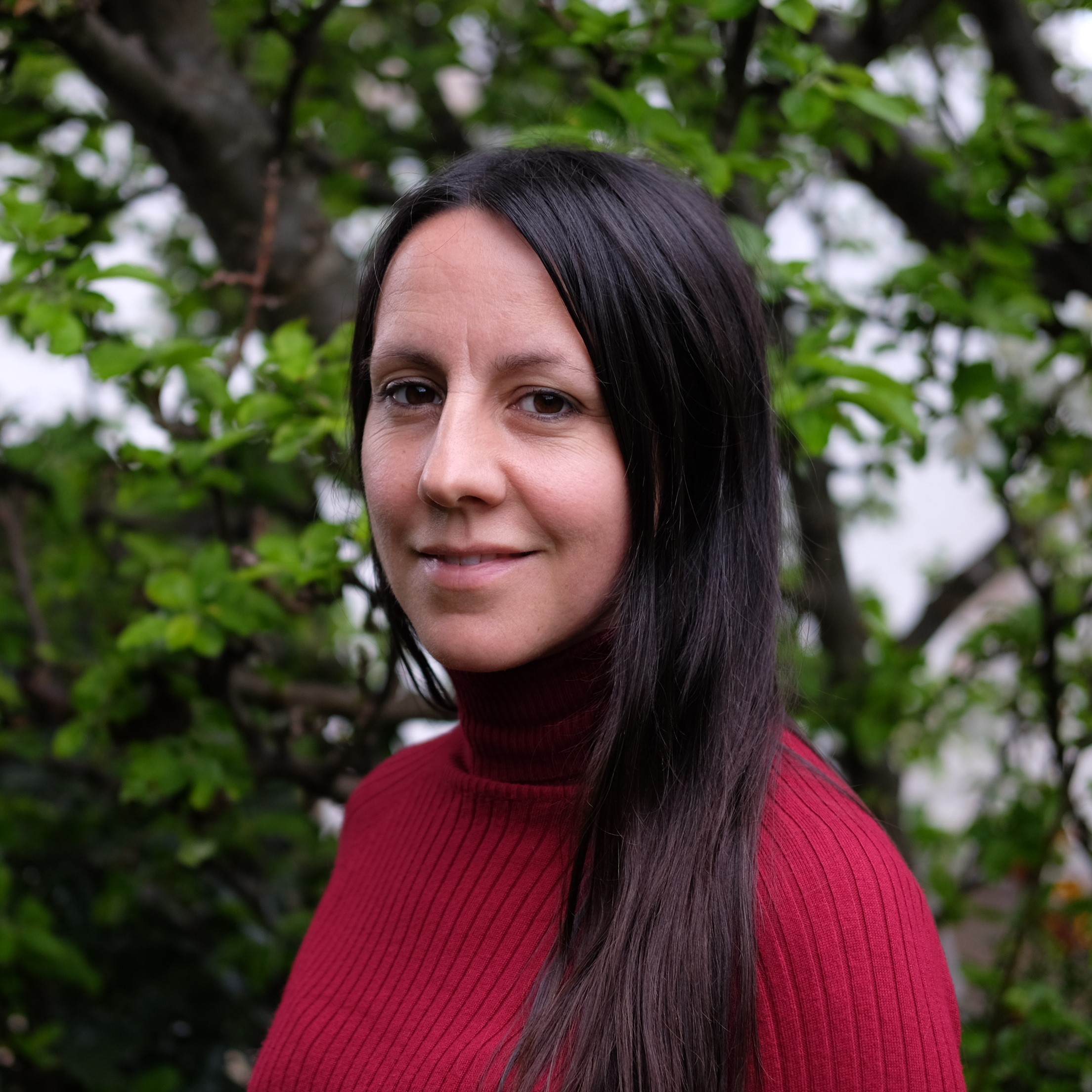
Rhian is based at the Royal Botanic Gardens, Kew and coordinates Alex Antonelli’s research programme. She obtained a first class degree in Ecology and Environmental Management at Cardiff University and then went on to do a PhD in population biology and conservation genetics and a Postgraduate Diploma in Statistics at Trinity College Dublin (PGradDip; Distinction), while also working as a Senior Ecologist for Natura Environmental Consultants. She has been at the Royal Botanic Gardens, Kew for 18 years, conducting postdoctoral work on orchid population genetics and the phylogeny of the plant family Haemodoraceae before moving into science education and communication. She was the first Kew director of the MSc in Plant and Fungal Taxonomy, Diversity and Conservation, delivered with Queen Mary University of London. Alongside her current position as Senior Science Editor, she is responsible for coordinating the strategic development and management of Alex Antonelli’s research programme at Kew.
Vrasdonk, Emke
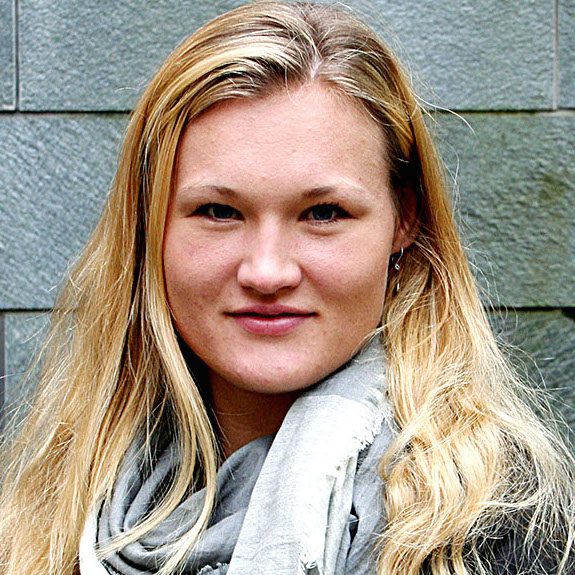
Emke is an industrial ecologist with a background in biology. She is interested in the impacts of land use and land transformations on biodiversity, specifically from product and production systems. Her work is focused primarily on the identification and development of models for the inclusion of biodiversity indicators into life-cycle assessment (LCA), which is a frequently used decision support tool for the systematic evaluation of the environmental aspects of a product or service system through all stages of its life cycle (from cradle to grave). Emke is a PhD student at Chalmers University of Technology in Gothenburg under the main supervision of Ulrika Palme and co-supervised by Alex Antonelli.
Henniges, Marie
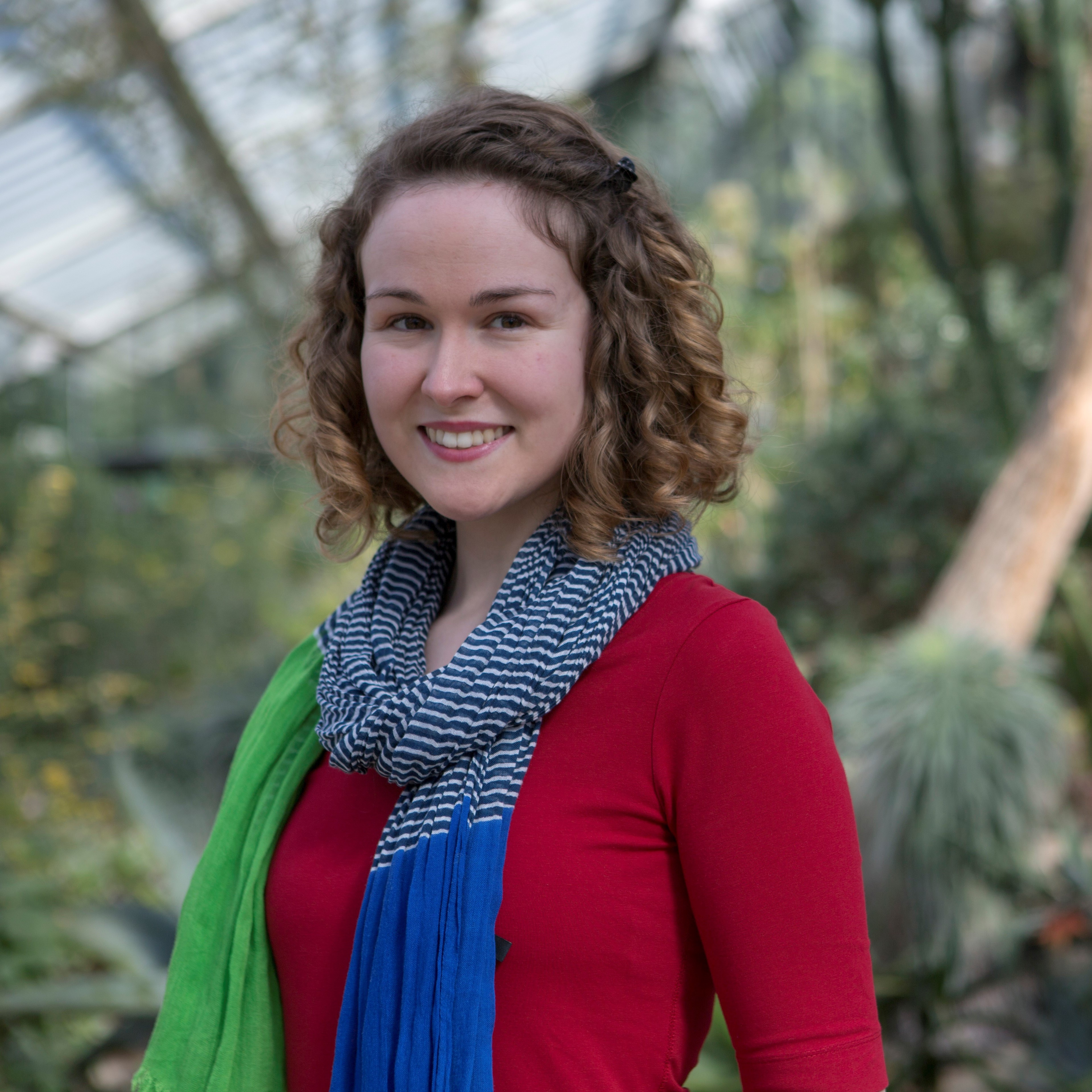
Marie is a PhD student based at the Royal Botanic Gardens, Kew and Queen Mary University of London, supervised by Ilia Leitch, Andrew Leitch and Alex Antonelli. She is interested in how species distributions in the UK flora change in space and time and how genome size influences these dynamics. Using historic distribution data, maps of land use change and environmental monitoring, she investigates how genome size contributes to the determination of plant species’ spreads. To establish the value of genome size as a powerful ecological predictor, she makes use of the unique sampling history of the British flora in building predictive models of future plant distributions in response to ongoing changes in climate, land use and pollution.
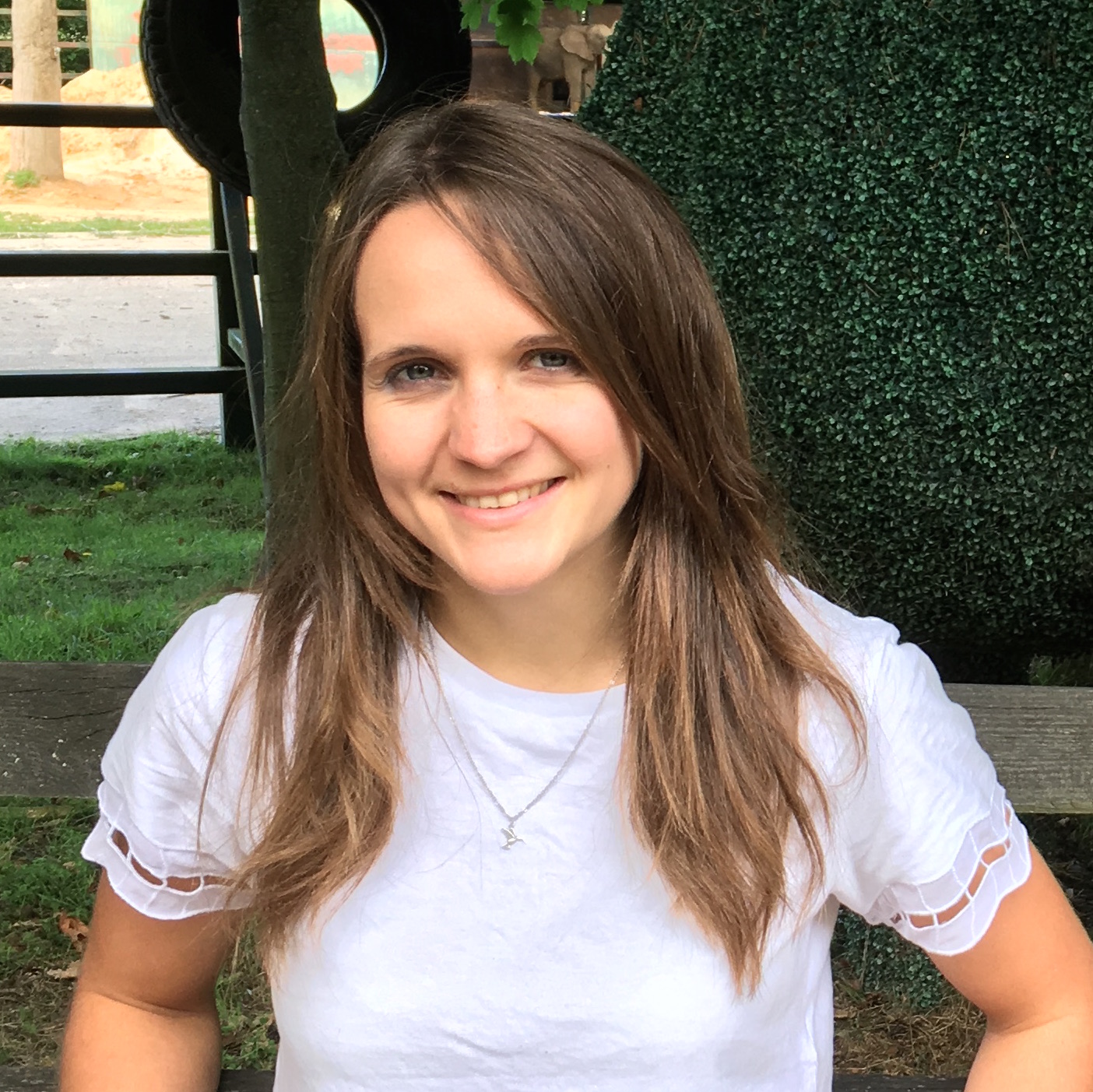
Przelomska, Natalia
Natalia is a specialist in archaeogenomics, population genomics and plant domestication. A former postdoc of the Antonelli Lab based in the Royal Botanic Gardens, Kew, she is now Lecturer in Bioinformatics at the University of Portsmouth but continuing collaborative research on orchid and coca phylogenomics and the domestication of useful plants.
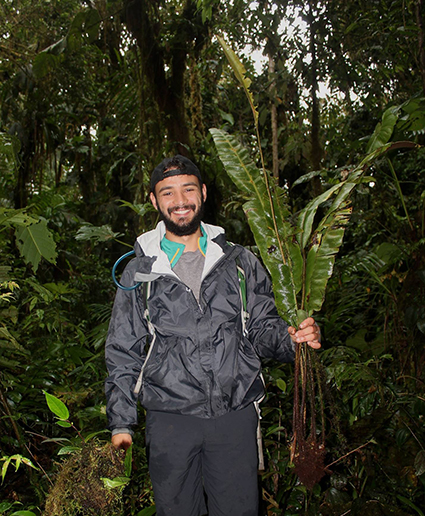
Testo, Weston
https://antonelli-lab.net/wp-content/uploads/2018/04/kisspng-computer-science-google-scholar-doctor-of-philosop-google-5ad0945194b217.3615852815236188976091-e1534153462181.pngGoogle Scholar
https://antonelli-lab.net/wp-content/uploads/2018/04/linklogo-e1534154360841.pngPersonal website
Weston is a former postdoc in the Antonelli Lab where he focused on understanding how habitat loss is impacting species distributions and driving extinction amongst the vascular plant flora on the island of Hispaniola. Now Assistant Curator of Pteridophytes at the Field Museum in Chicago, Illinois, USA, he is especially interested in the role of hybridization and polyploidy as forces shaping fern and lycophyte diversity in the American tropics and diversity of the clubmoss family (Lycopodiaceae). To address these questions, he works extensively with natural history collections and integrates systematics, taxonomy, biogeography, phylogenomics, and functional ecology.
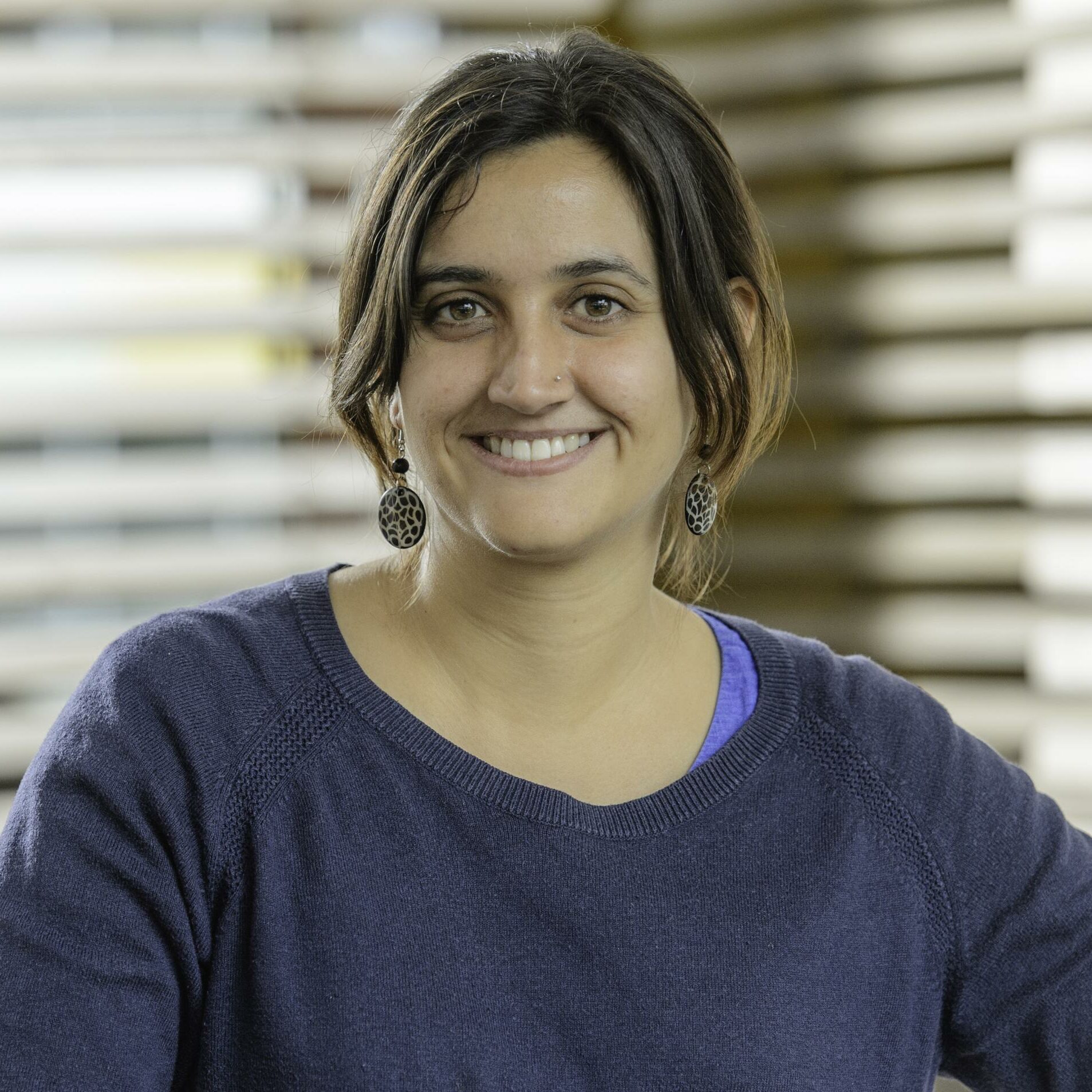
Dhanjal-Adams, Kiran
https://antonelli-lab.net/wp-content/uploads/2018/04/kisspng-computer-science-google-scholar-doctor-of-philosop-google-5ad0945194b217.3615852815236188976091-e1534153462181.pngGoogle Scholar
Kiran is interested in systematic conservation planning in the context of biodiversity, connectivity and dynamic systems. In past lives, she has worked with bird migration, meerkats and bees, and has spent a lot of time on software development, particularly acoustic machine learning (rcnn), reinforcement learning, graph theory and multi-sensor geolocator tracking.
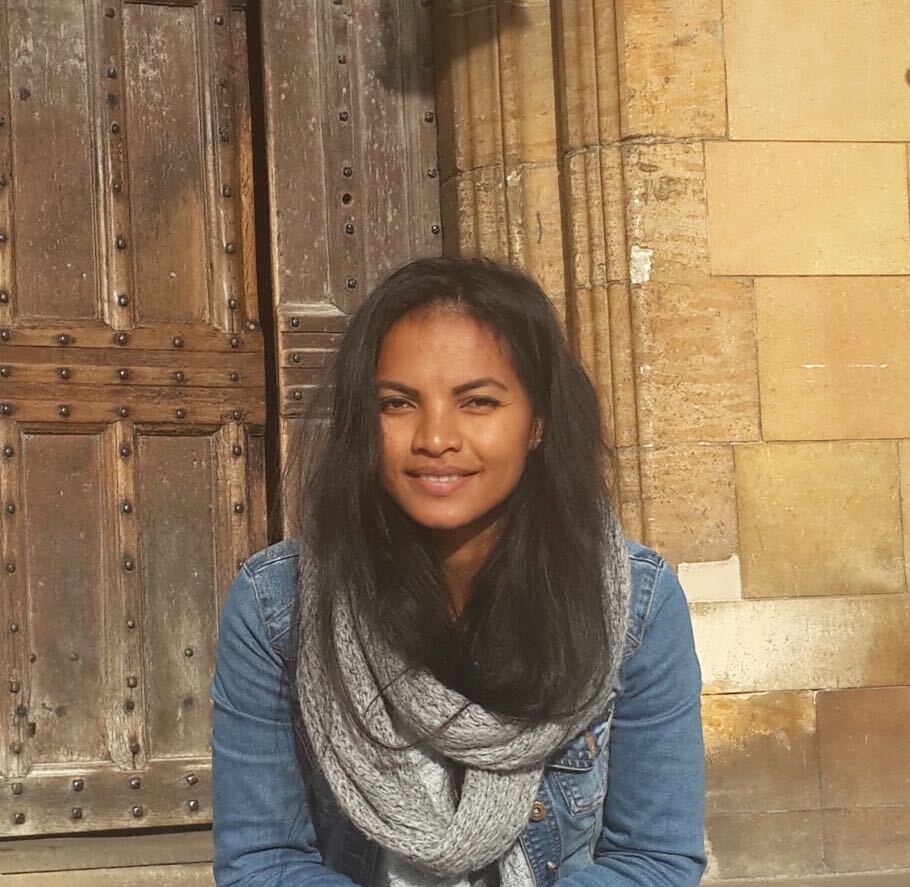
Marline, Lova
https://antonelli-lab.net/wp-content/uploads/2018/04/9f59698c-e156-4f33-9520-405cb7f4d9c6_researchgate_56f72ad6_490x330-e1534153921455.pngResearch Gate
https://antonelli-lab.net/wp-content/uploads/2018/04/orcid-e1534154160903.pngOrcID
Lova is a Malagasy researcher interested in island biodiversity and tropical mountain systems. Her long-standing taxonomist interest has been in bryophytes. Bryophytes, especially liverworts, are her favourite organisms. This group remains one of the least documented components of the Malagasy rich biota. She completed her PhD at the University of Cape Town in 2018, where she investigated the regional and global context of the bryophytes of Madagascar, and the factors affecting epiphytic bryophyte diversity, distribution and assemblage of communities along an elevational gradient.
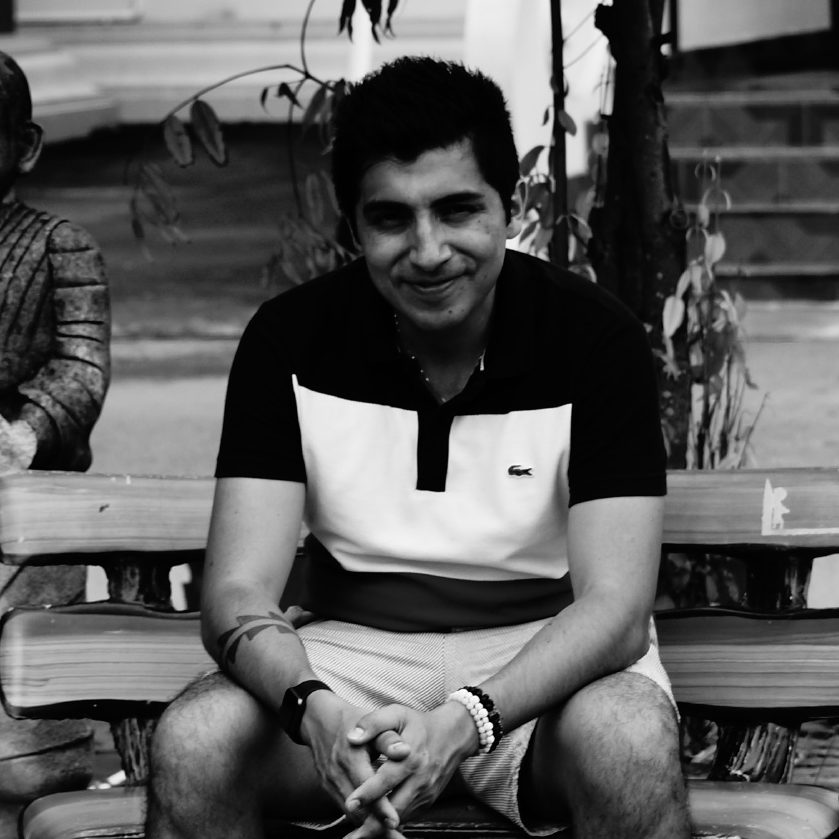
Pérez-Escobar, Oscar Alejandro
https://antonelli-lab.net/wp-content/uploads/2018/04/kisspng-computer-science-google-scholar-doctor-of-philosop-google-5ad0945194b217.3615852815236188976091-e1534153462181.pngGoogle scholar
https://antonelli-lab.net/wp-content/uploads/2018/04/linklogo-e1534154360841.pngPersonal website
Oscar is Research Leader at the Royal Botanic Gardens, Kew, working on orchid phylogenomics and evolution. His main research interests are centred towards understanding the macroevolutionary dynamics of Neotropical orchids.
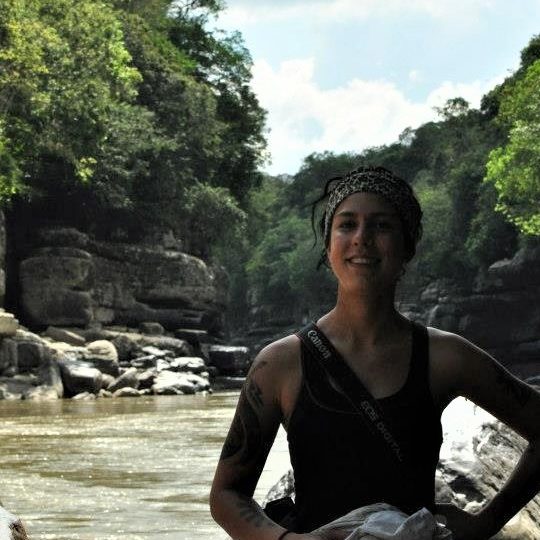
Torres Jimenez, Maria Fernanda
https://antonelli-lab.net/wp-content/uploads/2018/04/kisspng-computer-science-google-scholar-doctor-of-philosop-google-5ad0945194b217.3615852815236188976091-e1534153462181.pngGoogle scholar
https://antonelli-lab.net/wp-content/uploads/2018/04/linklogo-e1534154360841.pngPersonal website
Mafe is interested in phylogeography and biodiversity in the Neotropics, mainly involving ant-plant mutualisms as her subject of study. She was a postdoc at the University of Gothenburg working with the Amazonian palm Geonoma. By studying the genetic and ecological differences between morphotypes of Geonoma macrostachys, she aims to understand the mechanisms behind ecological speciation in plants. She is interested in using NGS data to infer plants’ evolutionary histories at the population and species levels. She is currently a senior researcher at Vilnius University where she is focusing on conservation genomics.
Keywords: palms, ant-plant, Neotropics, phylogenomics, phylogeography
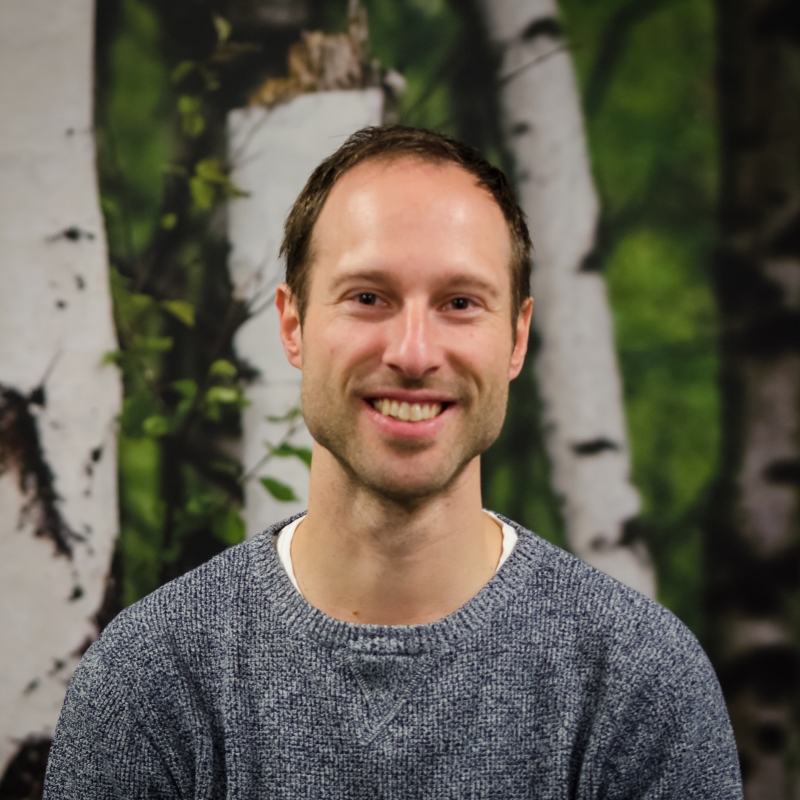
Edler, Daniel
https://antonelli-lab.net/wp-content/uploads/2018/04/kisspng-computer-science-google-scholar-doctor-of-philosop-google-5ad0945194b217.3615852815236188976091-e1534153462181.pngGoogle scholar
Daniel is interested in developing software and algorithms to better understand the complex patterns of biodiversity through space and time. After studying engineering physics at Uppsala and Umeå University, he worked as a research engineer at Icelab, Umeå University, on developing Infomap (a network clustering algorithm based on information theory) and visualization tools to simplify and highlight important structures in complex networks. In 2016 he joined the Antonelli Lab in Gothenburg, where he worked part-time developing the Infomap Bioregions project, applying network theory to reveal the underlying geographical structure in species distributions (https://mapequation.org/bioregions). He also worked with developing a digital citizen science platform to let anyone log and share the species they see, and get help with identification. In 2022, he successfully defended his PhD project about “Mapping incomplete relational data: networks in ecology & evolution”, supervised by Martin Rosvall at the Department of Physics, Umeå University, with Alexandre Antonelli as assistant supervisor.
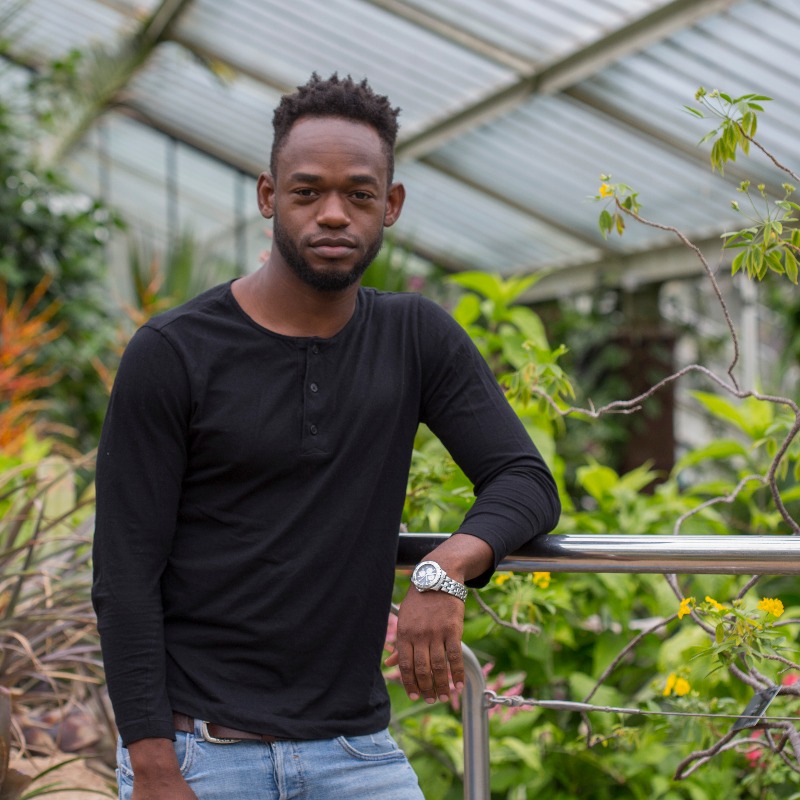
Ondo, Ian
https://antonelli-lab.net/wp-content/uploads/2018/04/orcid-e1534154160903.pngORCID
Ian is a quantitative ecologist with 5 years of experience in research fields related to biogeography, forest ecology, movement ecology and surface hydrology. He has worked on modelling the dispersal and migration of wild populations; estimating and mapping the impact of climate change on the decline of species populations; and developing efficient, statistical, modelling and mapping tools for predicting the distribution of species. Ian has a master’s degree in Biostatistics & Modelling.
Sen, Sandeep
https://antonelli-lab.net/wp-content/uploads/2018/04/kisspng-computer-science-google-scholar-doctor-of-philosop-google-5ad0945194b217.3615852815236188976091-e1534153462181.pngGoogle Scholar
https://antonelli-lab.net/wp-content/uploads/2018/04/LinkedIn.pngLinkedIn
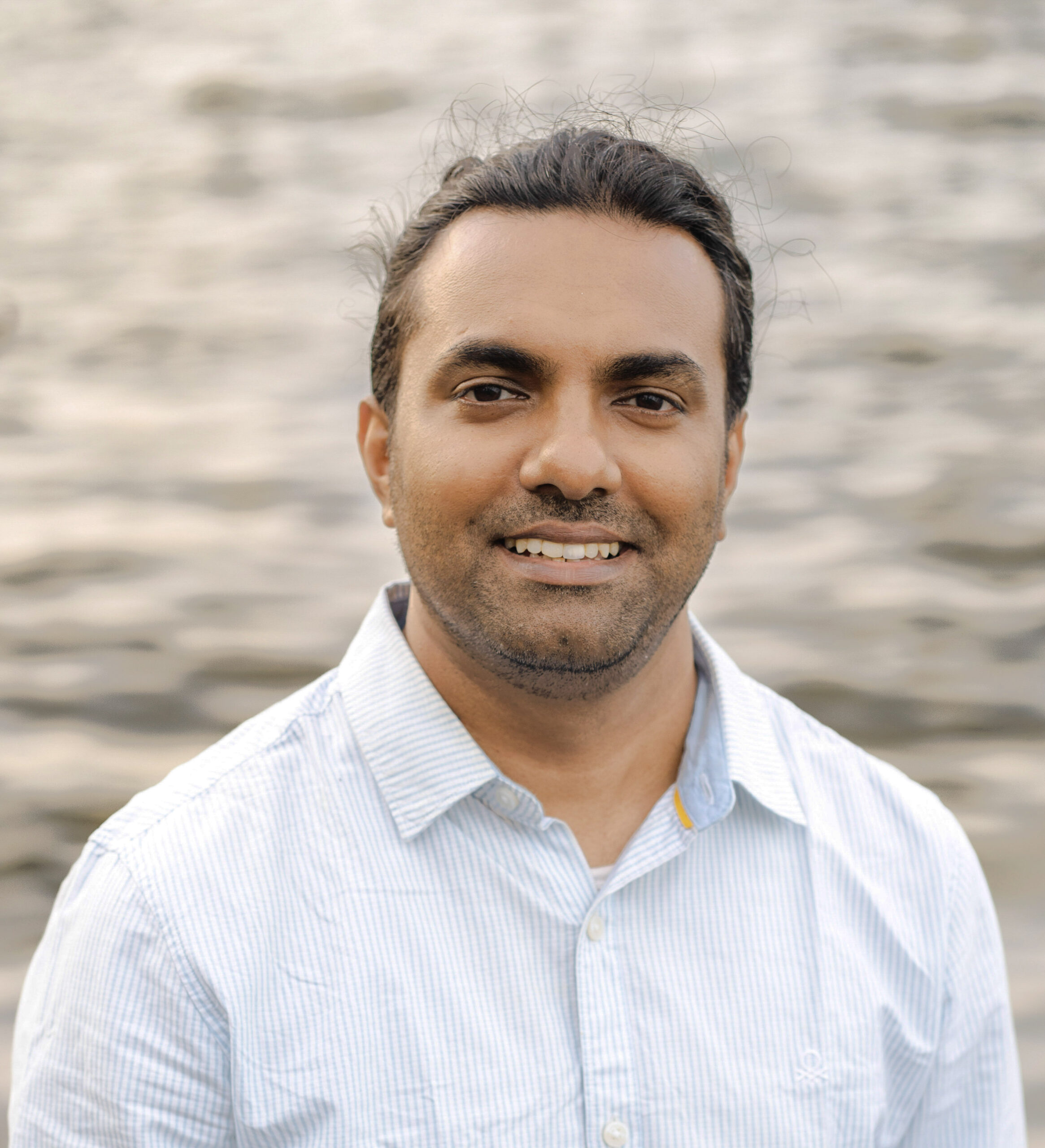
Sandeep is a Marie Curie postdoc interested in the ecological and evolutionary processes underpinning the high floristic diversity in mountain ranges such as the Himalaya. He aims to integrate insights from palynology, phylogenomics, and advanced mapping techniques for biodiversity conservation in the mountains. Sandeep is jointly supervised by Carina Hoorn and Daniel Kissling at the University of Amsterdam, Fabien Condamine at CNRS, France and Alex Antonelli at the Royal Botanic Gardens, Kew.
Truszkowski, Jakub
https://antonelli-lab.net/wp-content/uploads/2018/04/kisspng-computer-science-google-scholar-doctor-of-philosop-google-5ad0945194b217.3615852815236188976091-e1534153462181.pngGoogle Scholar
Jakub is working on algorithms for large-scale phylogenetic reconstruction. He is also interested in applying machine learning to problems in genomics and biodiversity. His background is in algorithms, phylogenetics and machine learning.
Values

Quality

Commitment

Openness
